

Bringing the End-to-End AI/ML Model Lifecycle into one Unified Platform.
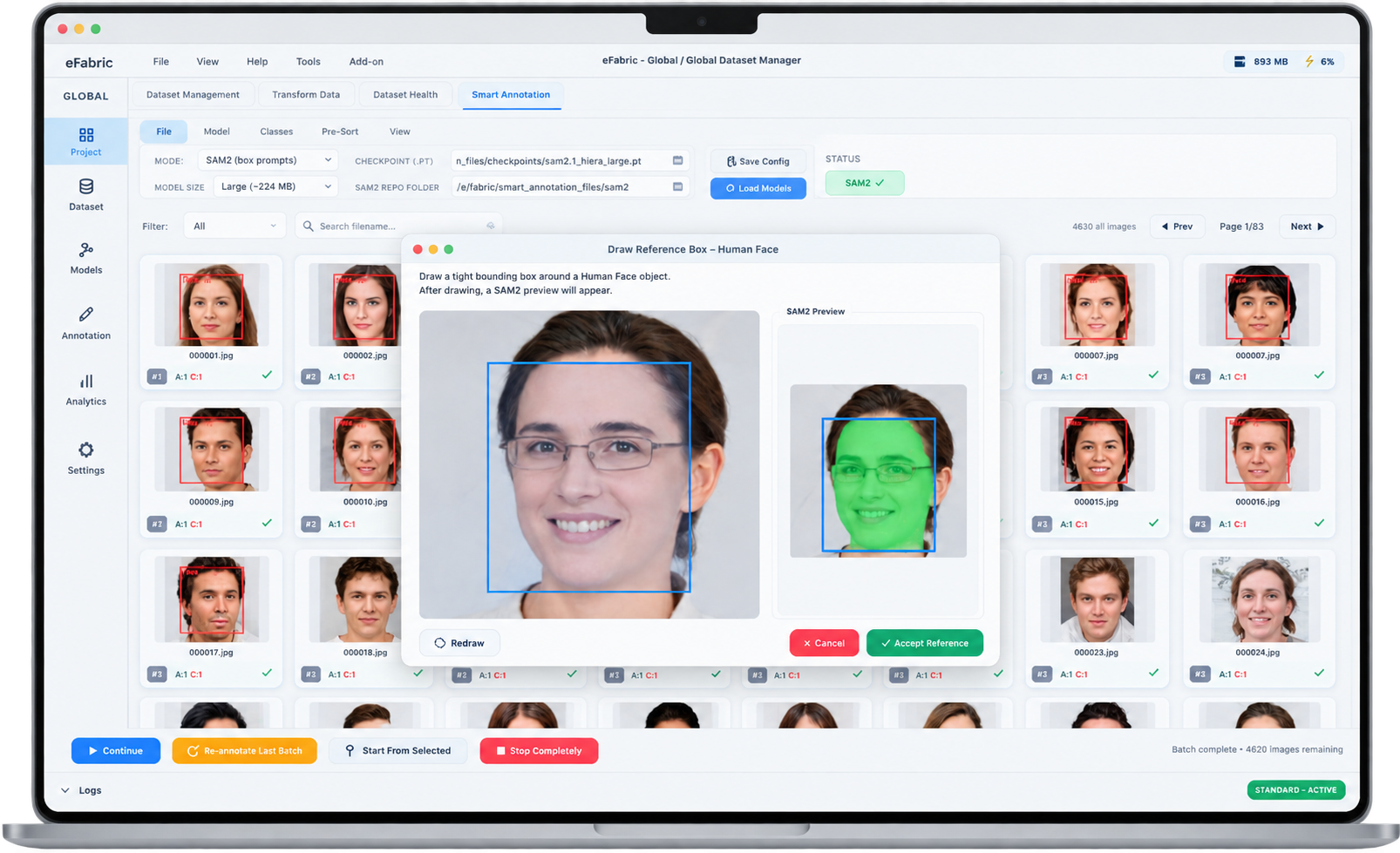
eFabric™ is a "Unified ML Factory" designed for Edge AI. It is a low-code / no-code platform designed to build and train Artificial Intelligence models from raw data and directly deploy onto Syntiant’s Neural Decision Processors (NDP) and Renesas RZ/V2L family chips.
Key Capabilities

eFabric consolidates the entire AI lifecycle from dataset management to training and deployment into a single seamless workflow, eliminating the need for external tools.

It bridges the gap between data science and embedded engineering, allowing developers to deploy hardware-ready models in minutes without complex firmware coding.

Creates models specifically tuned for "always-on" battery-powered devices (microwatt scale) rather than general cloud AI.
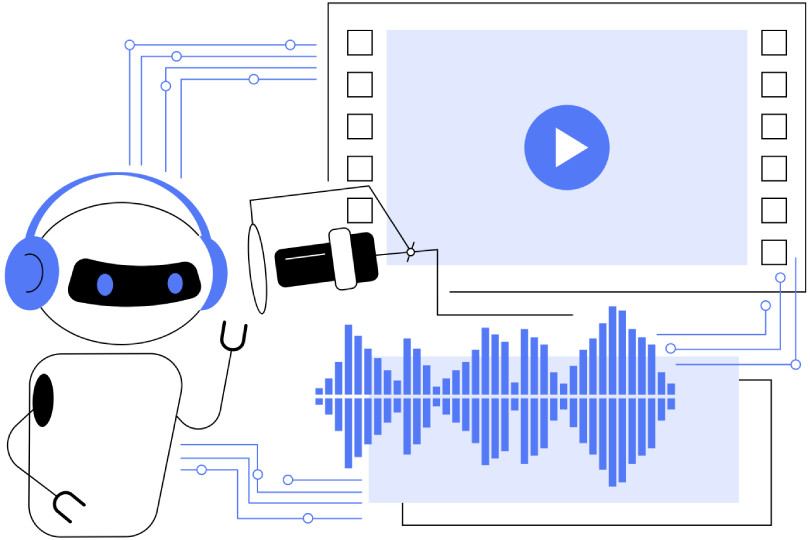
eFabric eliminates deployment surprises by ensuring that components like the AI model and edge hardware used during testing & validation are carried into production environment.

A GUI-driven experience that allows software developers to deploy hardware-ready models without deep hardware knowledge.
Accelerate time-to-market. Single streamlined workflow from dataset import to silicon deployment. No need for complex toolchains and SDK coding.
Build models for power-efficient and memory-constrained chips as well as embedded Linux MPU chips.

Accelerate development by starting with EVK based PoC, then scale seamlessly to production with our production-ready SoM.

Fast-track your product launch by embedding our production-ready SoM to deliver autonomous edge intelligence.
A seamless journey from raw data to deployed silicon, consolidated into a single intuitive interface.

Import, organize, label datasets and manage in a Project.
Configure pre-processing and feature extraction.

Choose an existing model architecture or design your own.
Live training metrics, logs, and validation.

Export optimized model & flash to chip.

Improve models using refined datasets and optimized parameters.

Track, analyze, and optimize Model performance.
Zero Friction Handover: From Cloud to Edge
eFabric is an end-to-end Edge AI development platform that helps you transform raw data into intelligent, deployment-ready models. From dataset preparation and preprocessing to model development, training, analysis, optimization, and deployment, eFabric brings the complete AI workflow together in one platform.
Turn your data into intelligence
Accelerate AI development
Simplify complex AI workflows
Build AI for your application
Analyze and optimize before deployment
Deploy intelligence to the edge
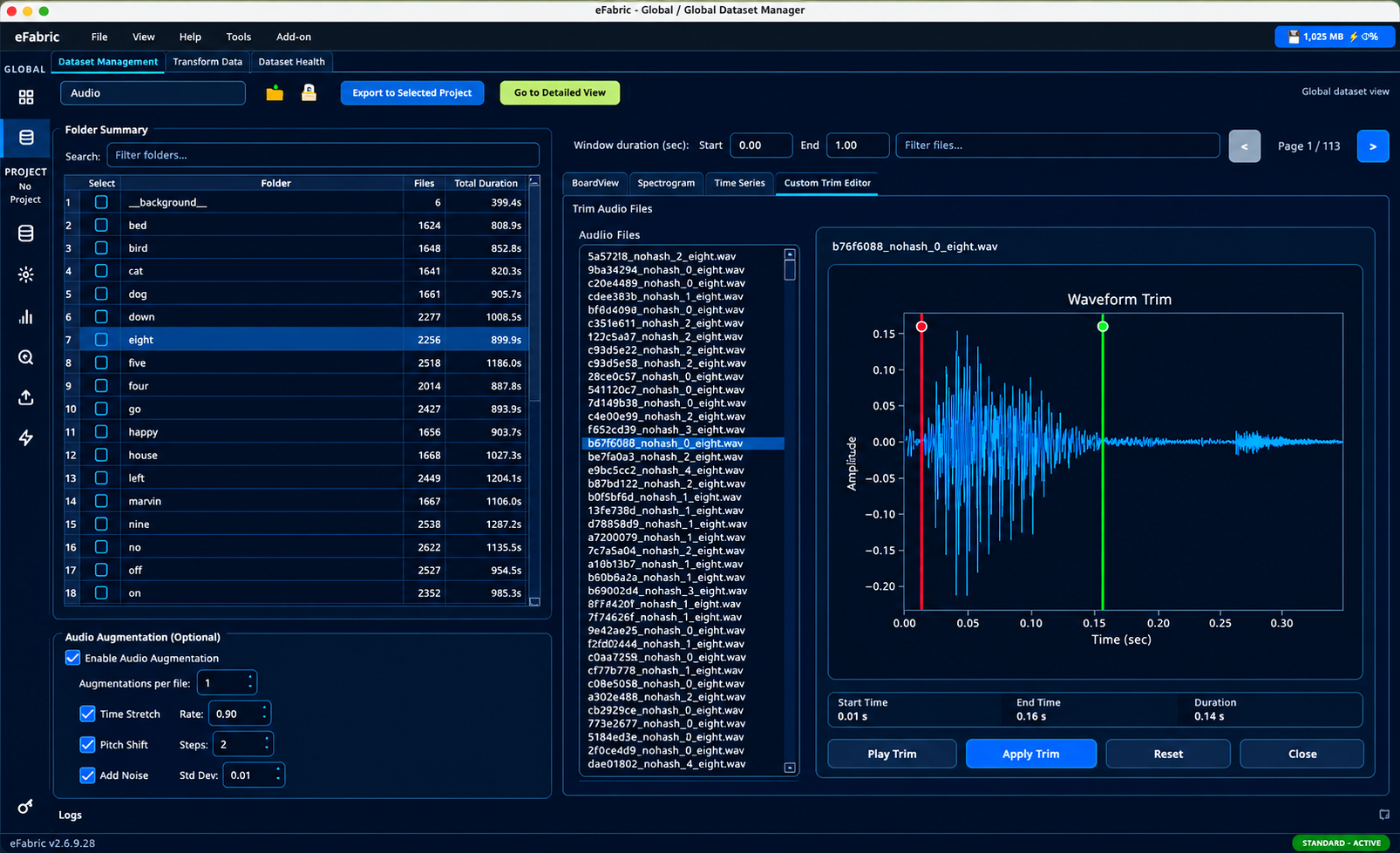
Real-world edge AI models trained, optimized, and ready to deploy from vision and audio to motion and sensor data.


Perfect For
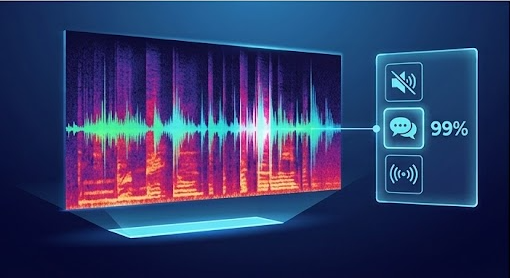
eFabric excels in Audio Classification, enabling developers to build robust models for complex auditory environments.
Identify and classify diverse environmental sounds and events.

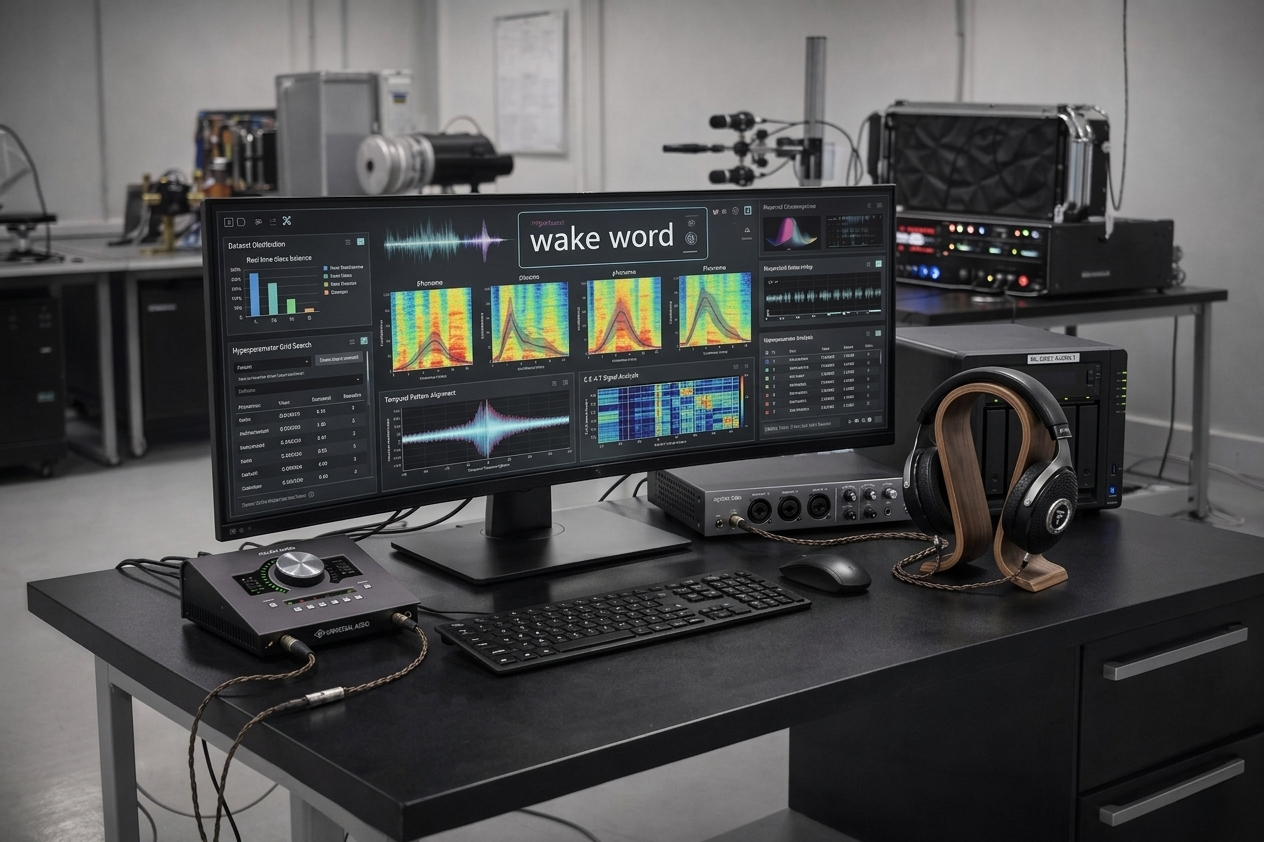
Detect specific trigger words or phrases with high accuracy and low latency.

Classify background noise and suppress the noise for clear audio

Classify industrial machine sound patterns for operational health.
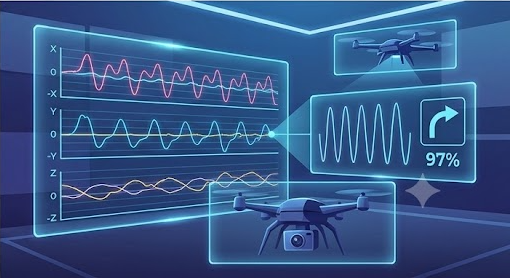
Enable new application domains by supporting the generation of sensor-based machine learning models, allowing eFabric to handle complex temporal data patterns and anomaly classification.

Accelerometer-based activity tracking and movement classification.

Precise hand-gesture recognition for touchless control interface.
Classify vibration patterns for anomaly detection in machinery.
RUL (Remaining Useful Life) & SOH (State of Health) prediction.
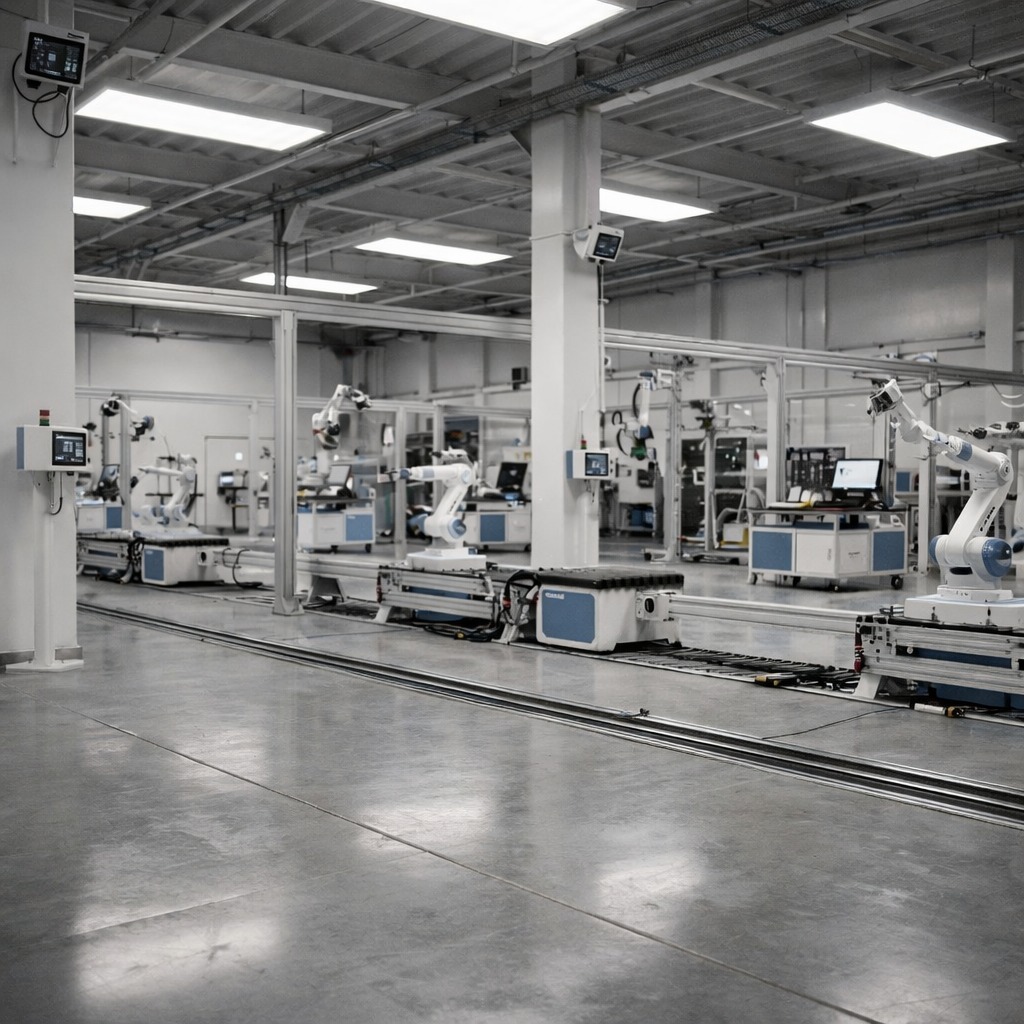
Perfect For

Perfect For
eFabric has evolved into a unified ML factory for all edge modalities. Next-wave enhancements enable advanced computer vision directly on edge chips.

Real-time number plate, seat belt, traffic recognitions for Smart Cities

Secure identity verification and access control on low-power devices.

Real-time occupancy tracking for smart buildings and retail.

Automated anomaly detection and vision-based threat monitoring.
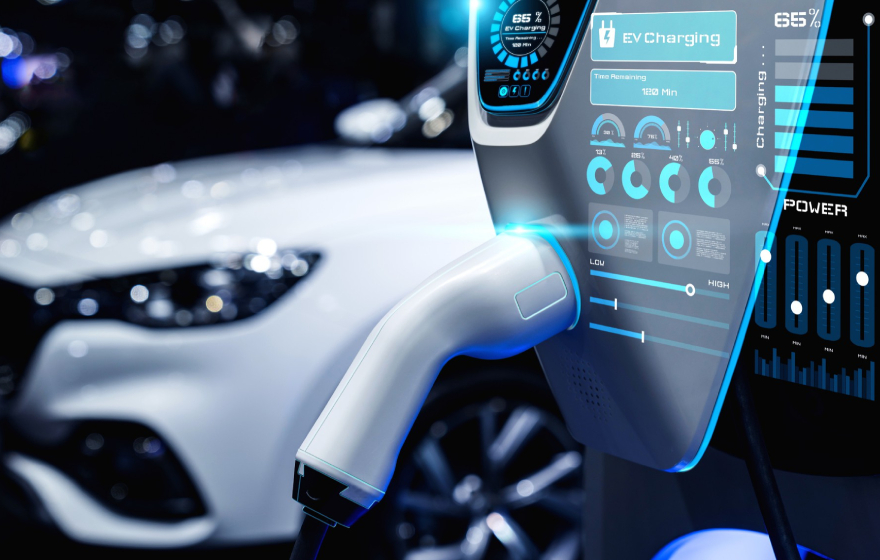
Battery health degradation monitoring, RUL estimation, and state-of-health prediction. Thermal stress detection, Charging abnormality detection.

Glass break detection, Alarm detection, Baby cry detection, Animal sound recognition.

Wake word detection, Voice ID, Touchless control for gesture detection.

Vibration analysis, Acoustic fault detection, Anomaly detection.

Face recognition, People counting, Occupancy tracking, Smart surveillance.
Built for the below AI Chip family MPUs, for Time-seria, Audio, and Vision ML model generation.
 Rapidly expanding to support the
full spectrum of
ultra-low-power chips and other hardware, coming soon.
Rapidly expanding to support the
full spectrum of
ultra-low-power chips and other hardware, coming soon.